Brand Britain: The Making of… Gresham
This article first appeared in Mix Interiors issue #240
Photography: Courtesy of Gresham
The year was 1976 and Bolton-born Ted Smith – a then-plucky typewriter engineer – was sick of callouts to the types of office where the desks rocked and surfaces gave out under the slightest pressure.Time and time again, when he’d make his rounds, cheaply fitted-out workplaces were gridded with the same flimsy set ups – their only successes being in their impractical frailty and ability to distract. As someone carrying out provisional tasks, Smith spared more of his thoughts to office workers everywhere, made to endure dysfunctional furniture systems, eight hours a day, five days a week.
Backed by second-hand frustration, Smith used the moniker Gresham as a starting point, taking to his garden shed with a set of simple tools and an even simpler idea: to create a well‑made, practical desk that would make working lives easier and stand the test of time.
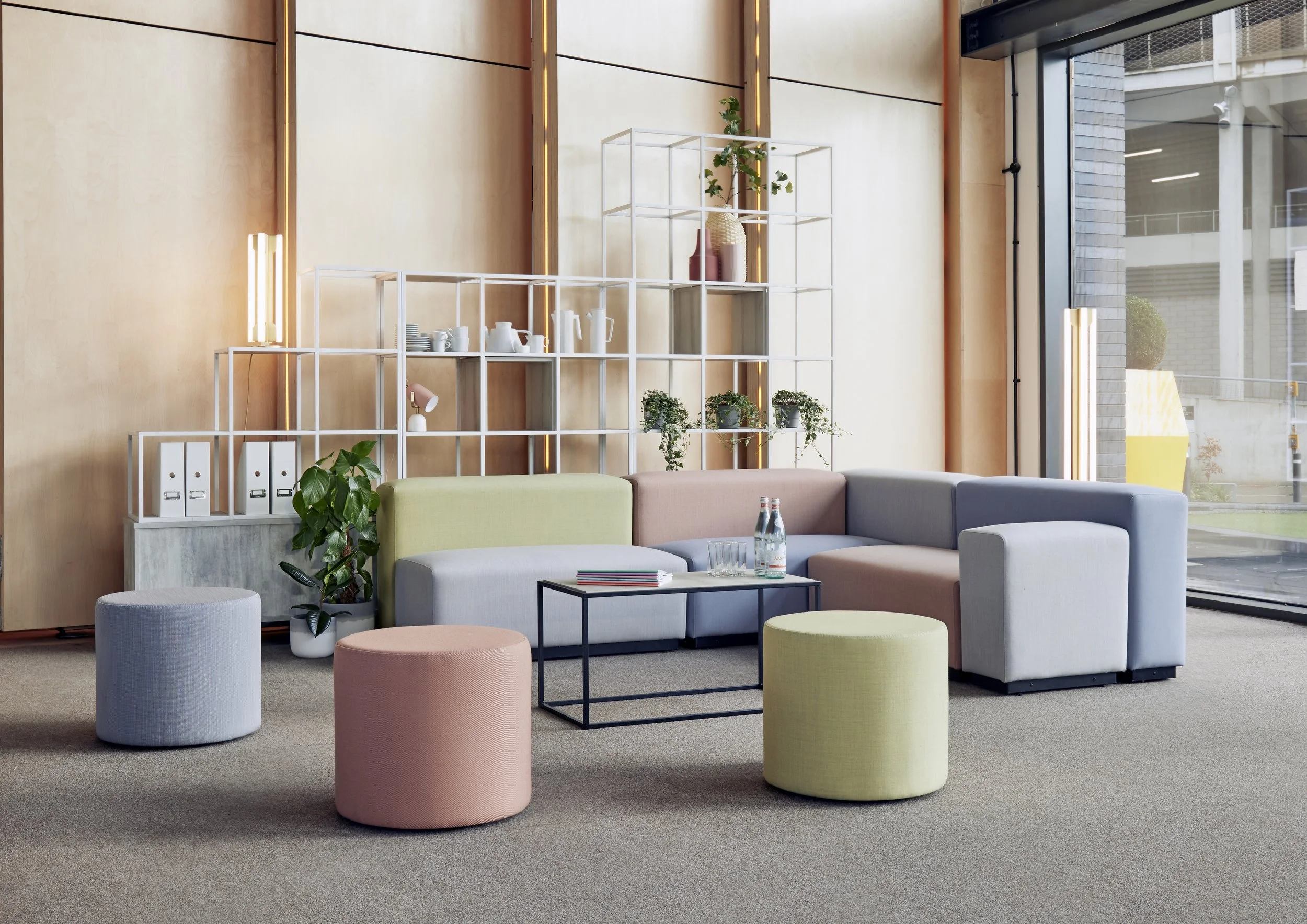
Hazeldine furniture in-situ
After some tinkering, in 1980 Gresham burst onto the commercial design scene with its first innovation, Design 2000 – a modular desk with a sturdy steel underframe which persisted in high-traffic environs and was configurable to all manner of business needs. It transpired that this was exactly what UK workplace designers needed and a sudden surge in demand saw Gresham making its mark as a ‘proper British’ furniture maker; one that exemplified robustness and functionality in true Northwestern spirit.
“Starting small meant every detail mattered, from how easy a desk went together to how quickly we answered the phone,” says Smith, who from the beginning put business owners who cared about productivity and wellbeing front and centre. “As the company started to gain traction, the non‑negotiables were quality, integrity and service. We wanted customers to feel that if it came from Gresham, it would be built properly, delivered when we said it would be and that if anything ever went wrong, we would put it right.”
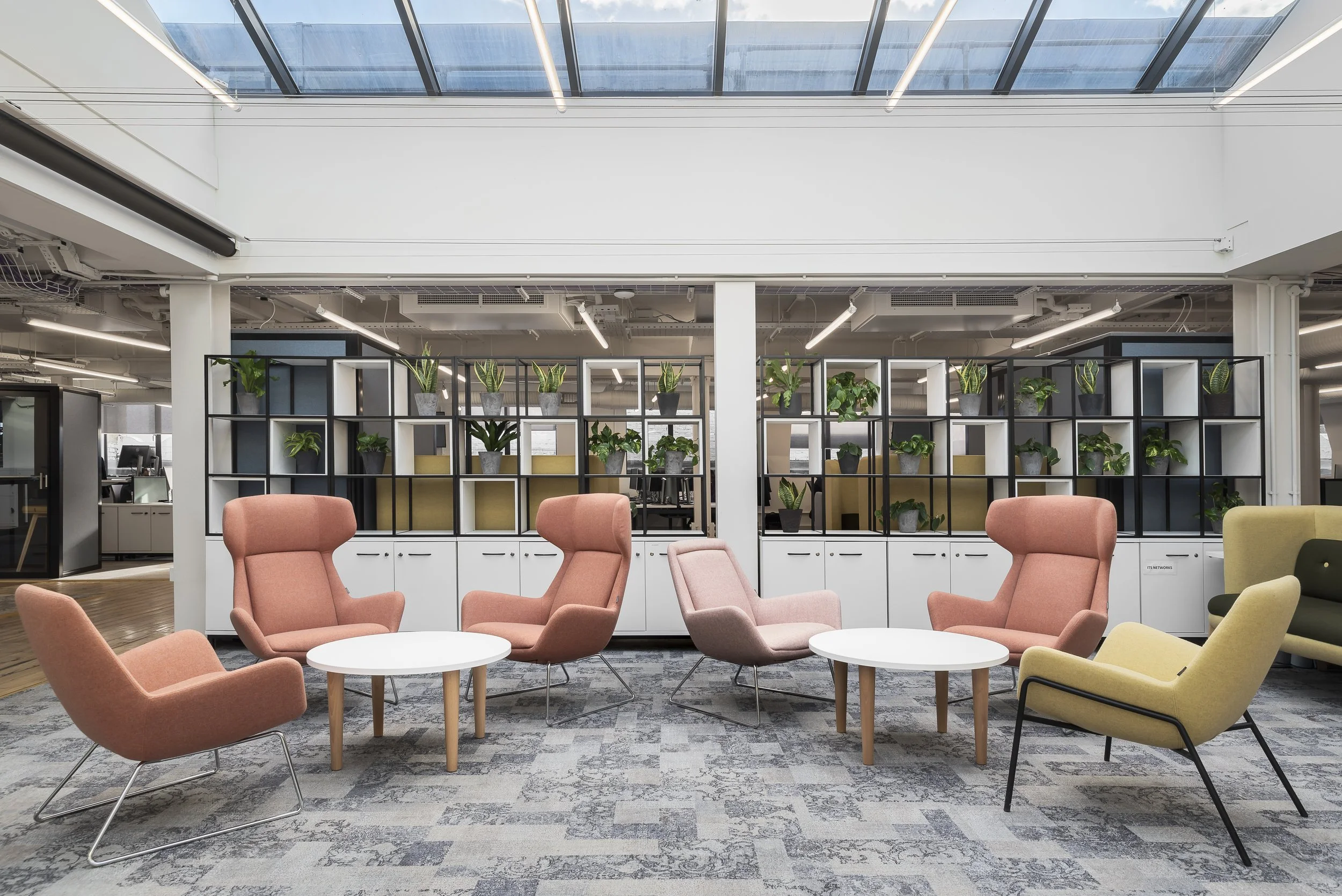
Lounge area with Monoko seating
From Design 2000, Gresham grew exponentially, building a trusted team of makers from Bolton and its surrounding areas. Naturally, Smith wanted to manufacture a human-centric work setting for the individuals under his employment, which went beyond providing adequate furnishings to fostering a workplace culture of meaningful work and camaraderie. He explains, “Equally important [to customers] was looking after our own people – creating a workplace where craftsmanship, loyalty and pride in the job were recognised and rewarded.” Fast forward to today, the average length of service at Gresham is an impressive 22 years; testament to the company’s enduring commitment to staff satisfaction and development.
This espirit de corps was only emboldened by a shared appreciation for dyed-in-the-wool British design and manufacture. A dedicated crew firmly on board, Gresham relocated from a split site on Waterloo Road to a much larger facility in Horwich in 2006 – a move that not only increased job prospects in Bolton but also allowed for a UK-made furniture design to be brought to an international market. “British manufacturing is at its best when it combines engineering rigour with a practical, problem‑solving mindset and that has always resonated with us. British creativity brings a certain understatement and longevity to design – products that work hard, age well and don’t shout for attention, but quietly do their job day after day.” Smith muses, his attitude towards local production parallel with his views on an honest Northern work ethic.
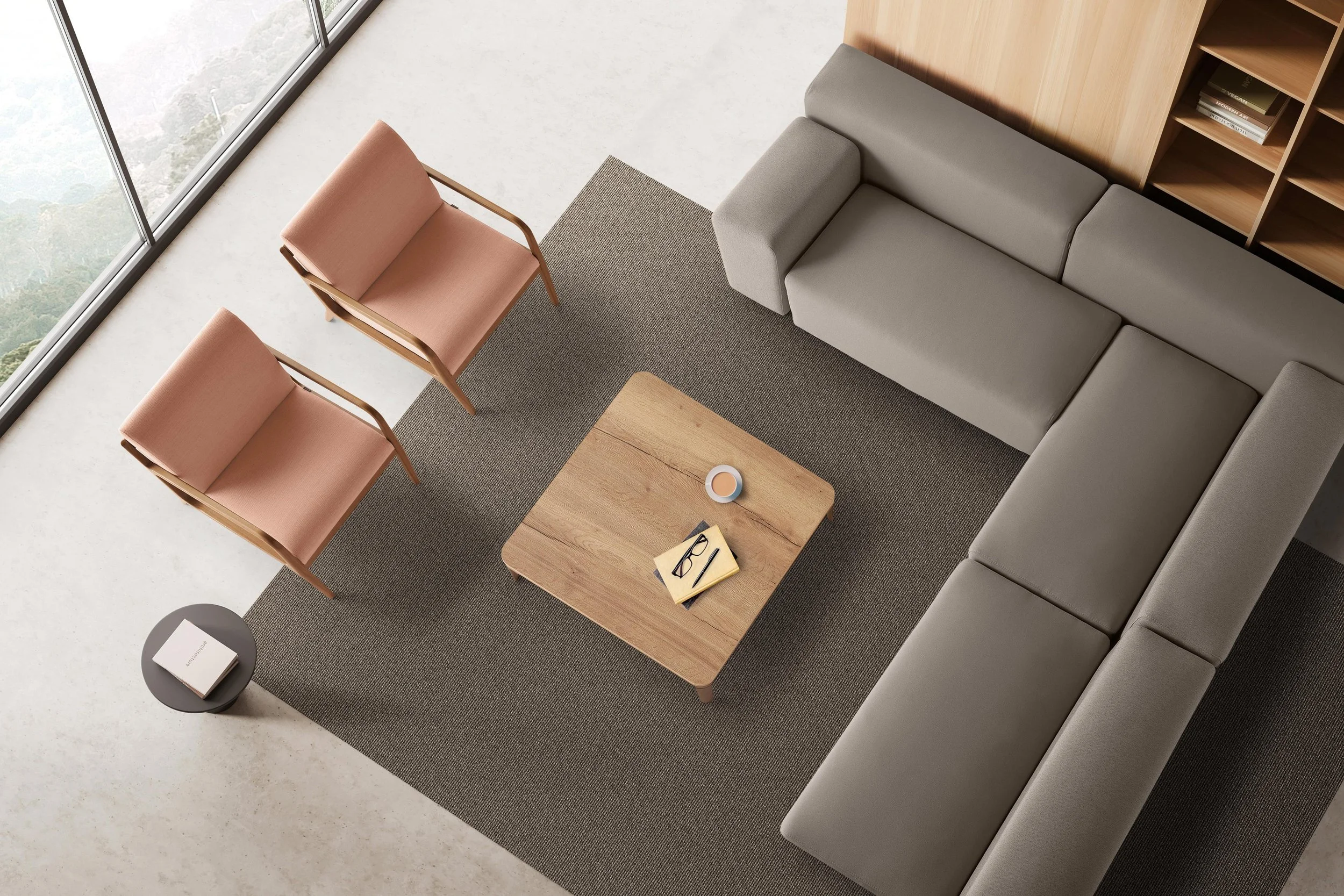
LC11 Wood with Kulture Quoll
In 2004, Smith’s son-in-law Julian Roebuck was onboarded to professionalise Gresham’s internal processes and, by 2008, a successful management buyout catapulted him to the helm of the company. “It is incredible how powerful a genuinely family‑run business can be. Keeping Gresham close to home means decisions are guided by long‑term stewardship rather than short‑term gains,” enthuses Roebuck. “It also allows us to protect the culture Ted established, where customers are known by name, suppliers are treated as partners and colleagues feel part of a shared story rather than just an organisation chart.”
Like Smith before, Roebuck kept a close eye on consumer preferences over the years, observing a palpable shift from the rows of fixed, functional layouts of the early noughties to the flexible, open plan schemes of now. “What has stayed the same, however, is the expectation that furniture should be dependable; people still want products that feel solid, look good for years and reflect the character of their organisation.”
To adapt to changing client expectations, Gresham Bespoke was introduced in 2015, positing the brand not only as a reliable source of office FF&E, but also as a legitimate collaborator in workplace strategy and retrofitting. A partial upgrade of London’s Queen Mary University is just one example of the incentive in motion. The project comprised a diverse mix of Gresham’s most recognisable product lines, such as bench access-top desks, Masca/Klyro chairs, Meeting Pods, Kulture Quoll, Mirage Hutches and, of course, Oscar task chairs – the ergonomic seating solution which first made waves in 2016.
“The brand has grown not only in size but in sophistication: we are now as much a design and workplace partner as a manufacturer of products. What has been particularly rewarding is seeing how our teams have embraced this evolution, building new skills while staying grounded in the hands‑on expertise that has defined Gresham from the start.” Other projects under the Gresham Bespoke umbrella have included offices for Bentley, Heathrow airport, Warner Brothers and the NHS.
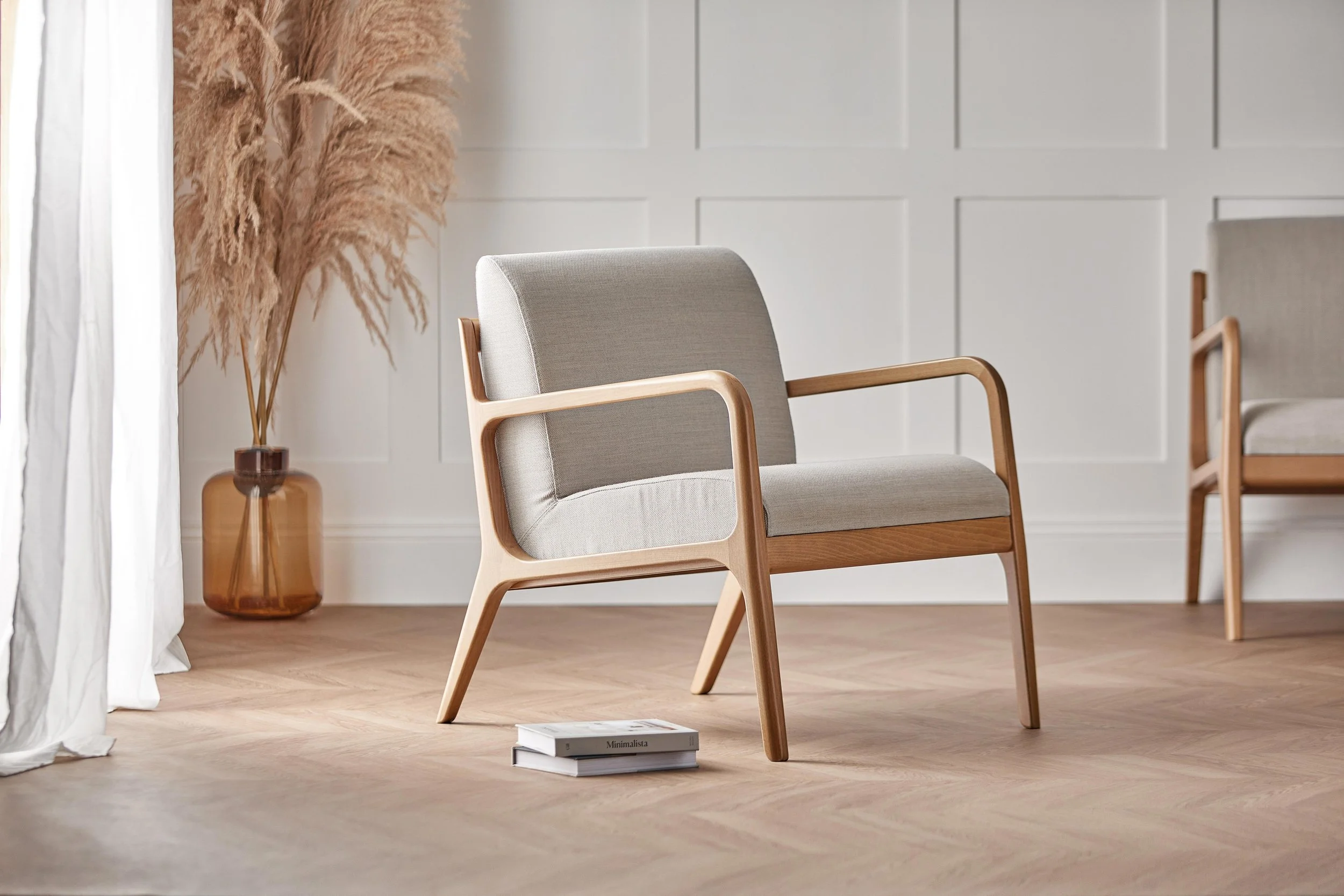
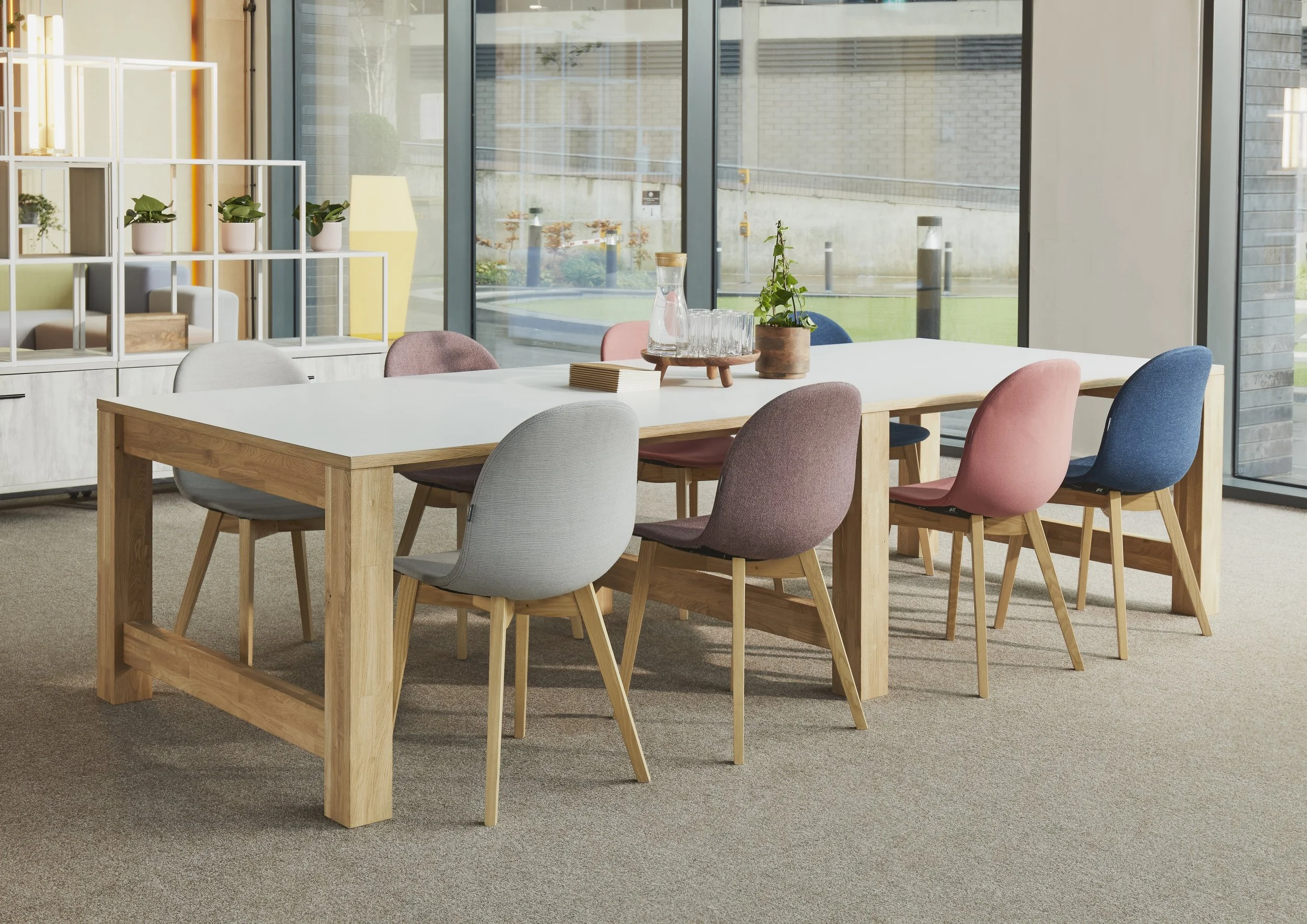
Monoko Panel chair
“At the core of Gresham’s ethos is our company values: approachability, customer focus, craftmanship and integrity. These are absolutely a continuation of the founding values Ted put in place. What has changed is the context: today we express those same principles through investments in design, digital tools and sustainability, but the underlying mantra is the same.” In essence, Roebuck acknowledges that nothing good comes from a wobbly base – be it high-quality Made in Britian furniture or design business success.
With energy saving machinery and digitisation in mind, 2025 saw the brand invest significantly in its Horwich HQ, ensuring that each aspect of the manufacturing process stayed in-house. Robotic sawing devices, HOMAG’s eco-technology and automated data streams now work in tandem with a 200-strong team of skilled professionals and apprentices; human craft harmonising with the latest innovations. “Seeing the brand move from a small shed operation to a 200,000 sq ft state-of-the-art manufacturing facility – and remaining a name trusted on major projects in the UK and overseas – has been both humbling and energising.” Not long retired, Smith admires how far the company has come since its backyard beginnings.
Half-a-century since Gresham’s garden days, Roebuck looks ahead, summing up his aspirations for Gresham at 100. “As Gresham celebrates its fiftieth year, the vision for the next fifty is to remain an independent, design‑led British manufacturer with a global outlook” He continues, “In 50 years’ time, Gresham will still be recognised for quietly dependable quality, thoughtful design and genuine customer care. Technology and trends may come and go – but the next chapter will honour the first.”